Tl;dr: This case study shows how Casa de las Baterías transformed container utilization and container optimization into a profit-driving function by using Intuendi’s AI-powered demand planning platform to optimize purchasing and loading decisions. This shift enabled better capital allocation and reduced inventory risk while improving container utilization across nearly $1M in monthly orders.
For Casa de las Baterías, the leading regional company specializing in batteries and energy systems in Central America, container utilization and planning are not just logistical details, they are financial decisions. The company manages purchase orders of nearly $1M per month, representing roughly one-third of total revenue. With container availability scarce and costs high, Casa de las Baterías knew every shipment had to be optimized.
Purchasing was split across primary and secondary suppliers, but without precise, forward-looking demand signals, container loading decisions carried significant risk. A single misallocation in container utilization could mean excess stock on slow movers, shortages on fast sellers, and capital locked in the wrong inventory.
The Challenge: Constrained Container Utilization
Operating in a constrained logistics environment, Casa de las Baterías faced constant trade-offs:
- Overstocking low-rotation SKUs due to conservative loading
- Understocking high-velocity products during demand peaks
- Capital inefficiencies driven by suboptimal container utilization
With limited space and rising freight costs, every cubic meter needed to generate return. And these are very common container optimization challenges in capital-intensive supply chains
From Guesswork to Control with Intuendi
Casa de las Baterias brought demand intelligence directly into container planning through Intuendi.
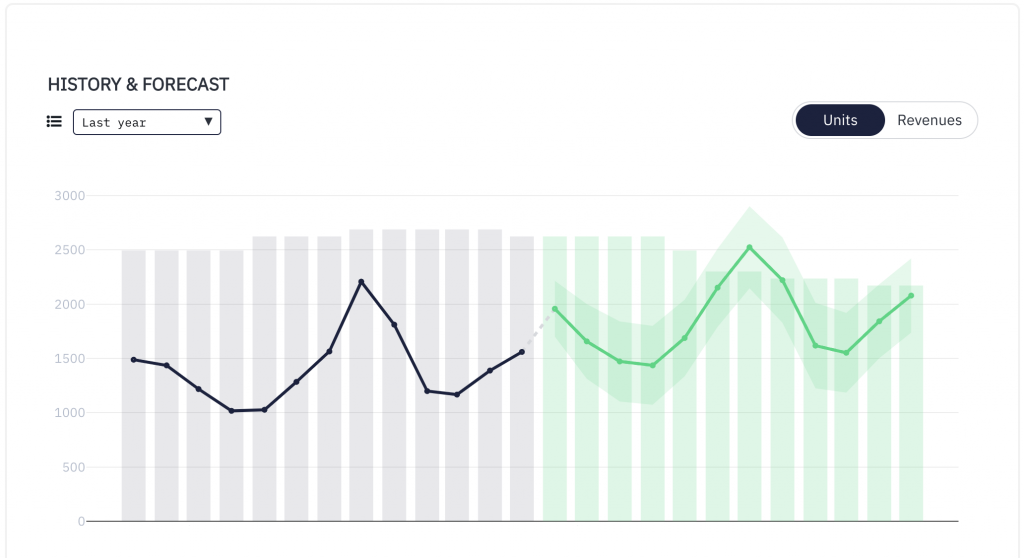
With Intuendi’s SKU-level, forward-looking forecasts, the Casa de las Baterias team was able to align purchasing and container loading with true market demand. This enabled Casa de las Baterías to:
- Prioritize high-margin, high-rotation products in each shipment
- Balance purchasing volumes across primary and secondary suppliers
- Reduce financial exposure linked to logistics uncertainty
- Optimize the economic yield of every container shipped
Container decisions shifted from risk mitigation to value maximization.
The Results: Container Optimization
The impact was operational and financial:
- Containers consistently filled based on real demand signals
- Capital allocation optimized across suppliers
- Purchasing risk actively managed instead of reactively absorbed
- Reduced inventory waste without compromising availability
- Strategic purchasing driven by data, not intuition
Casa de las Baterías gained control over one of its most capital-intensive processes.
The Advantage Gained
Casa de las Baterías tightened its approach to container planning with Intuendi’s support in tying demand forecasts directly to container economics. By aligning purchasing, loading, and demand signals, the company turned global logistics into a competitive advantage.